
Razor bumps can turn a close shave into days of itchy, sore skin. If you’re looking for how to prevent razor bumps, the key is to soften the hair, shave with its growth and avoid cutting too close.
We analyzed 50 comments and questions from YouTube and Quora about preventing razor bumps and found that 30% mentioned dull or dirty blades.
Use these eight steps to shape a routine for your face or body. You can adjust the tools and timing to suit your skin.
Step 1: Check your hair growth and skin
Before you shave, look at the area in good light and note which way the hair grows. Facial hair can change direction around the jaw and neck, while underarm hair may grow in several directions. A quick check helps you plan each stroke instead of shaving by guesswork.
If you have curly or coarse hair, or bumps often show up in the same place, take extra care there. Shaved hair can curl back into skin, which can cause an inflamed bump. The American Academy of Dermatology advises shaving in the direction of growth to help prevent this.
For a small area where the grain is hard to read, move clean fingertips lightly across the skin. The smoother direction is usually with the grain. If you shave your beard, drawing a simple map of your cheeks, chin and neck can help you remember where the direction changes.
Step 2: Soften hair before shaving
Shave near the end of a warm shower, once the hair has had time to soften. If you’re not showering, hold a warm, damp cloth on the area first. Then wash the skin with a gentle, non-comedogenic cleanser to clear away oil and surface dirt.
Use warm water, not very hot water, and don’t scrub hard. The aim is to soften the hair without leaving the skin feeling tight or raw. If you’re shaving a beard, wash the whole area you plan to shave, including the neck where the grain may turn.
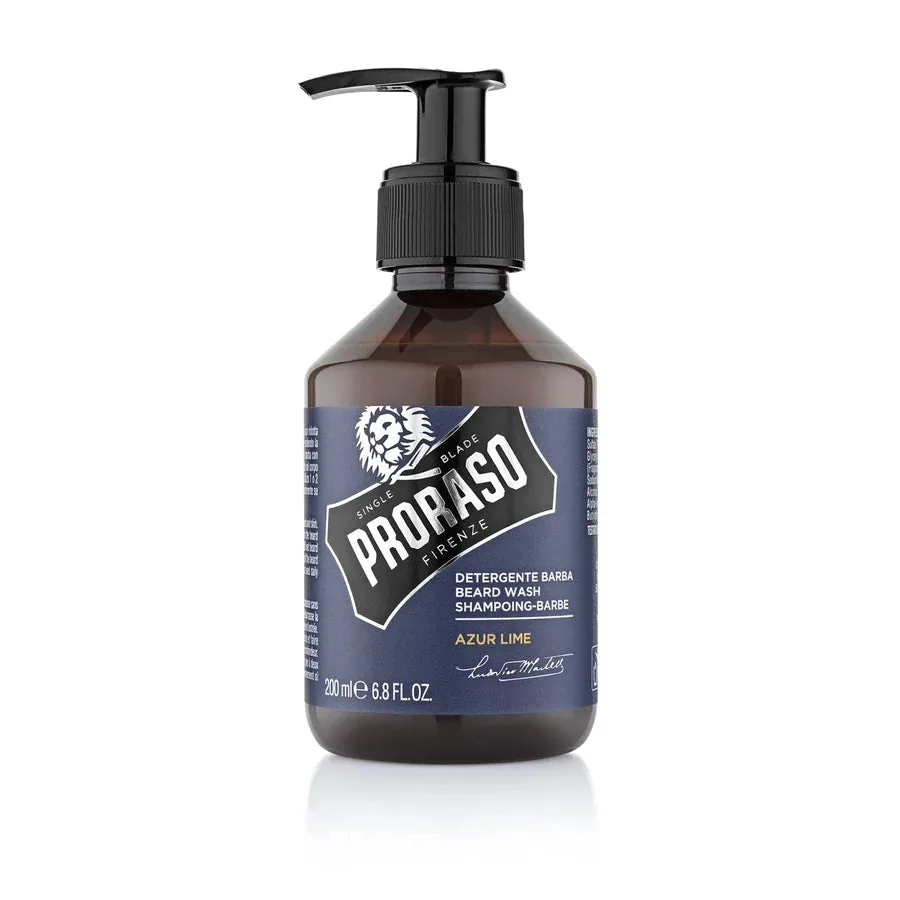
We stock grooming items at The Black Label in Gibraltar, including Proraso Beard Wash. Choose a cleanser that suits the area and your skin, and rinse it off before applying shaving cream or gel.
Step 3: Use shaving cream or gel
Never shave dry. Spread a moisturising shaving cream or gel over the area and let it sit for a minute or two. This gives the hair time to soften and adds slip between the blade and skin.
Use enough product to keep the skin covered as you shave. If a patch dries out, add more before making another pass. Plain soap may not give the same lasting glide as a shaving product, so don’t rely on a thin, quickly drying lather.
For a transparent gel option, we carry The Shave Factory Shaving Gel Golden. If your skin is sensitive, pay attention to how it feels during use and stop if it causes discomfort.
Step 4: Choose a clean, sharp razor
A blade that tugs can irritate skin and make you press harder. Replace a disposable razor after five to seven shaves, or sooner if it pulls. Store it somewhere dry between uses. If you use an electric razor, keep its cutting head clean and follow its care instructions.
A single-blade razor or an electric shaver may suit people who get frequent ingrown hairs, as each can help avoid an extremely close cut. There isn’t one best tool for everyone. Test a change on a small area and keep your pressure light.
The Black Label also carries shaving and aftershave essentials for shoppers in Gibraltar. Whatever tool you use, a clean edge and a light hand matter more than chasing a perfectly close finish.
Step 5: Shave with the grain and light pressure
Move the razor in the direction the hair grows. Use short strokes and let the blade do the work. Don’t stretch the skin or press down to chase a closer result, since a very close cut can make it easier for a hair to grow back into the skin.
Rinse the blade often so hair and cream don’t build up. Try not to go over the same patch more than twice. If you still see stubble, reapply gel before another gentle pass rather than dragging the razor over bare skin.
Skip shaving over active bumps. Give the area time to settle, since another pass can add friction and make irritation worse. For underarms or other areas where the hair grows in different directions, adjust the stroke as you move across each patch.
Step 6: Rinse and moisturise after shaving
When you finish, rinse away cream and loose hair with warm water. Then use a cool, damp cloth to calm the skin. Pat dry with a clean towel rather than rubbing, and apply a gentle moisturiser while the skin is still slightly damp.
If you use an aftershave, choose one made for post-shave care. Stop using it if it burns or stings, and try a gentler option instead. We carry L3VEL3 Aqua Aftershave 100ml at The Black Label; check how your skin responds when trying any new aftershave.
Keep the rest of your routine simple right after shaving. Strongly scented products or harsh scrubbing can feel uncomfortable on freshly shaved skin. If you’re prone to irritation, avoid adding several new products at once, so you can tell what your skin tolerates.
Step 7: Adjust shaving frequency and exfoliation
Shaving more often may help some people with razor bumps. The American Academy of Dermatology says daily shaving, or shaving at least every two to three days, gives hair less time to grow and curl back. But frequency isn’t one-size-fits-all. If your skin is sore or inflamed, pause until it settles rather than shaving over bumps.
Gentle exfoliation may help lift dead skin that can trap growing hairs, but more is not better. Scrubs can irritate sensitive skin, especially if you use them too often or press hard. Don’t exfoliate freshly shaved, tender or broken skin.
If you want to try exfoliation, start gently and watch for redness or stinging. Some people may prefer a soft cloth over a gritty scrub. If irritation starts, stop and let your skin recover before changing the routine again.
Step 8: Consider alternatives and get help for persistent bumps
If shaving keeps causing bumps despite changes to your routine, consider growing the hair out or using a method that doesn’t cut it as close. An electric shaver can be worth trying if you’re using a blade now. Laser hair removal is another longer-term option to discuss with a qualified clinician, including its suitability and cost.
Hair texture and skin tone can affect how bumps look and how they settle. Curly hair is more likely to curl back towards the skin, and inflammation may leave dark marks. Don’t pick or dig at an ingrown hair. That can cause more irritation and may lead to a mark or scar.
The AAD advises seeing a board-certified dermatologist if razor bumps continue after you change your shaving habits. Get medical advice sooner if bumps are very painful, spreading or look infected. Their guidance on razor bump care also notes that a single-blade razor or electric razor may help reduce close shaving.
Frequently asked questions
Should I shave with or against the grain to prevent razor bumps?
Shave with the grain, in the direction your hair grows. This can leave a little more stubble, but it helps avoid cutting hair too close to the skin. Hair may grow in different directions across your face or body, so check each area before you start. Avoid shaving against the grain if you’re prone to ingrown hairs.
How often should I shave if I get razor bumps?
Some people may get fewer bumps by shaving daily or at least every two to three days, because hair has less time to grow and curl back. But don’t shave over skin that’s already sore or inflamed. Let it settle first, then see whether a different schedule feels better for your skin.
Does a single-blade razor help with razor bumps?
A single-blade razor may help because it can reduce the chance of an extremely close shave. An electric shaver is another option to consider. Neither tool guarantees bump-free skin, so use light pressure and shave with the grain. If one tool keeps irritating your skin, try a different method or ask a dermatologist for advice.
What should I put on my skin after shaving?
Rinse away the shaving cream, use a cool damp cloth, then apply a gentle moisturiser while your skin is slightly damp. If you prefer an aftershave, stop using it if it burns or stings. Avoid picking bumps or scrubbing the area, since extra friction can add to irritation.
Keep the routine gentle
Start with warm water, a sharp clean razor and strokes that follow your hair growth. If bumps keep returning, pause shaving and speak with a dermatologist. For grooming products in Gibraltar, browse The Black Label’s shaving and aftershave range and choose items that fit your routine.


